Introduction and Importance of Addition-Themed Color Activities
Developing a solid foundation in basic arithmetic is crucial for success in mathematics and beyond. One engaging method to introduce and reinforce addition concepts is through visually appealing activities that combine mathematical practice with creative expression. Such activities provide a multi-sensory learning experience, making the abstract concepts of number and quantity more concrete and accessible to young learners. They can be implemented effectively at home, in the classroom, or during self-study sessions. The combination of numerical problem-solving and artistic creation fosters a positive association with mathematics, reducing anxiety and increasing motivation. This approach is especially helpful for students who may struggle with traditional rote memorization or find standard worksheets uninspiring. Ultimately, activities which combine addition with creative elements facilitate a deeper, more lasting understanding of fundamental math skills while cultivating a love for learning. The benefit is its capacity to make education enjoyable, motivating, and inclusive of varying learning styles.
💡 Activity Key Takeaways:
- Core Focus: Printable Addition Coloring Pages designed for creative expression and fine-motor coordination.
- Target Scope: Ideal for toddlers, preschool, kindergarten, and classroom art activities.
- Best Recommendation: Use standard heavy printer paper (24–28 lb) or cardstock for vibrant results with crayons, colored pencils, or washable markers.
Structure and How It Works
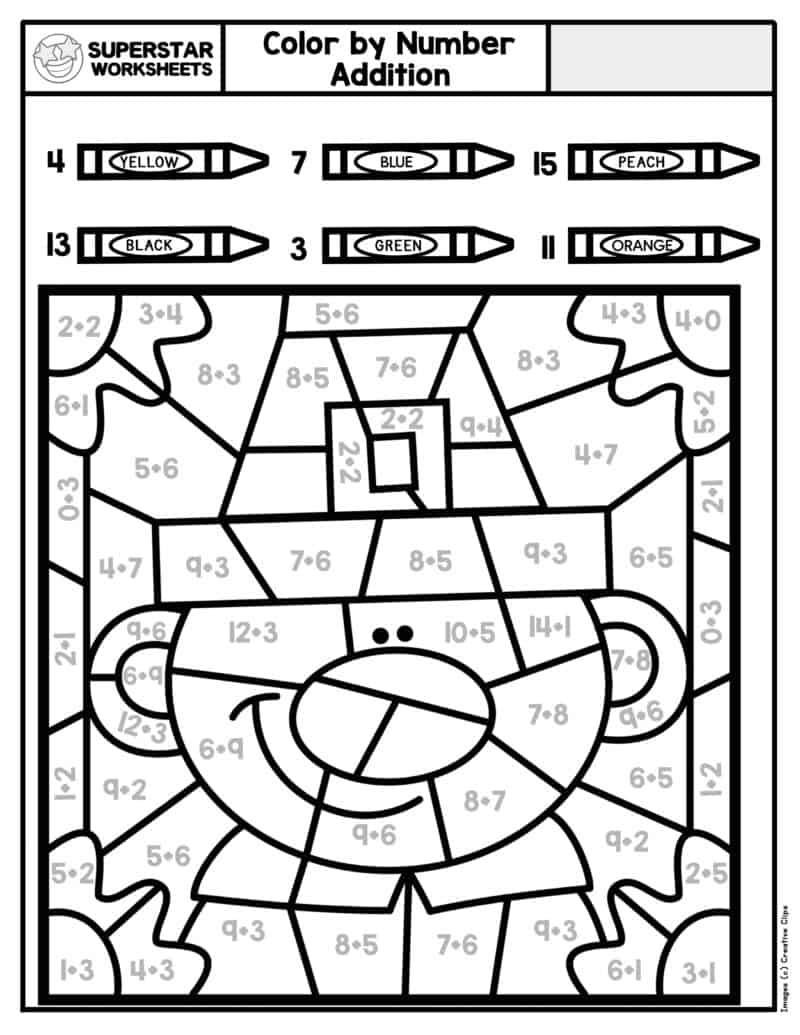
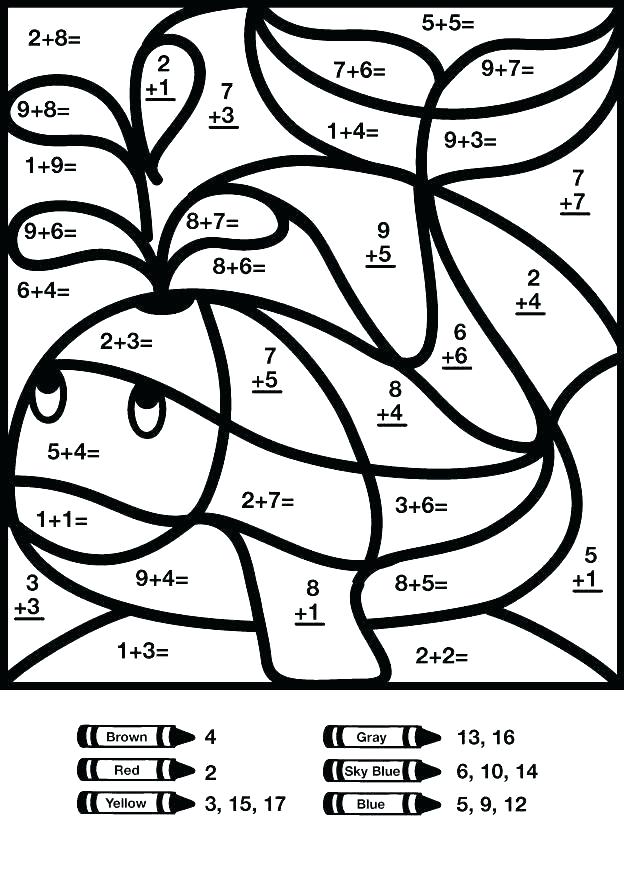
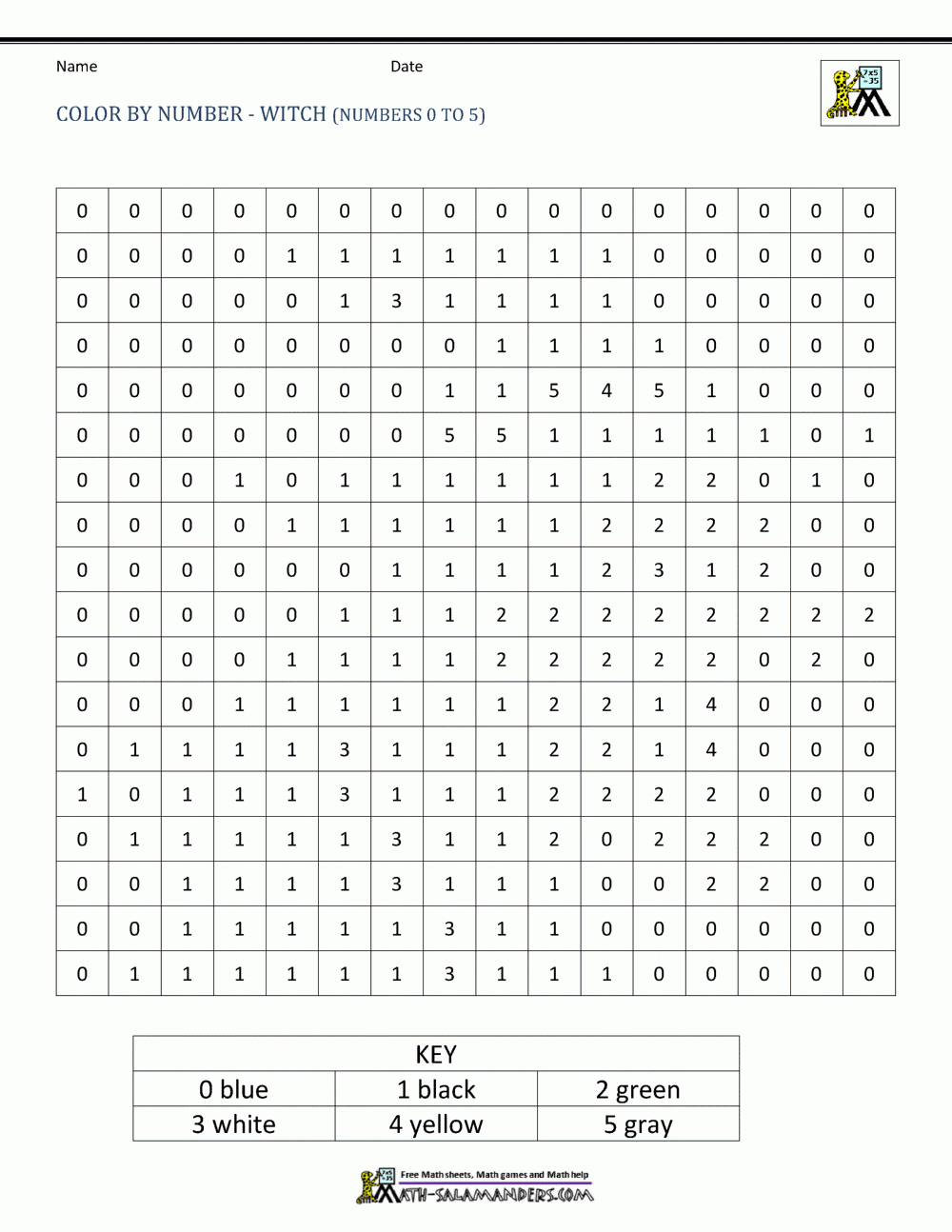
The format of these activities generally involves a series of addition problems paired with an image divided into sections. Each section of the image is assigned a specific color corresponding to the answer of an addition problem. Core Exercises: The student solves the addition problems, and then uses the answer key to determine which color to apply to each section of the picture. This reinforces the concept of addition while simultaneously developing fine motor skills and visual discrimination. Interactive Elements: Many variations of these activities exist, ranging in difficulty from simple single-digit addition to more complex multi-digit problems. Some may incorporate themed images, such as animals, vehicles, or seasonal objects, to increase engagement. The layouts can be designed to be self-checking, providing immediate feedback and allowing students to self-correct any errors. The visual element also serves as a form of reward, as the image gradually transforms with each correctly solved problem. This immediate gratification can be a powerful motivator for young learners. Related guide: Free Addition Coloring Sheets.
Tips and Complementary Resources
To maximize the benefits of these activities, several practical tips can be applied. Daily Practice Tips: Implementing short, regular sessions, rather than infrequent long sessions, is a more effective approach. Begin with simpler activities and gradually increase the difficulty as the student progresses. Encouraging the student to show their work and explain their reasoning can further reinforce their understanding of the addition process. Pairing with Other Resources: These activities can be used in conjunction with other math resources, such as manipulatives, number lines, and traditional worksheets, to provide a well-rounded learning experience. Online resources and educational websites offer a plethora of printable and interactive materials that can supplement classroom instruction or home learning. Positive reinforcement and encouragement can further enhance the student’s confidence and motivation.
Conclusion
Integrating visual creative exercises into the learning process offers a multifaceted approach to mastering fundamental math concepts. By blending the discipline of addition with the joy of creative expression, students are not only learning essential skills but also developing a positive attitude toward mathematics. The benefits of this approach extend beyond the classroom, fostering critical thinking, problem-solving abilities, and a lifelong love of learning. To further support mathematical development, consider exploring related resources such as number puzzles, math games, and interactive online platforms. The key is to provide students with a diverse range of engaging activities that cater to different learning styles and promote a deeper, more meaningful understanding of mathematics. By embracing this holistic approach, students can unlock their full potential and achieve success in mathematics and beyond.
Key Specifications & Age-Group Overview
| Age / Grade Group | Target Skill Focus | Recommended Medium |
|---|---|---|
| Toddlers (Ages 2–4) | Hand-eye coordination & broad motor grasp | Jumbo crayons & washable finger paints |
| Early Elementary (Ages 5–7) | Line boundaries & fine pencil control | Standard colored pencils & fine-tip markers |
| Intermediate (Ages 8+) | Color blending, shading & artistic patience | Watercolor pencils, gel pens & dual-brush markers |
Images References :
Discover more printable learning activities by visiting our full Shape and Color Worksheets archive for teachers, homeschoolers, and parents.