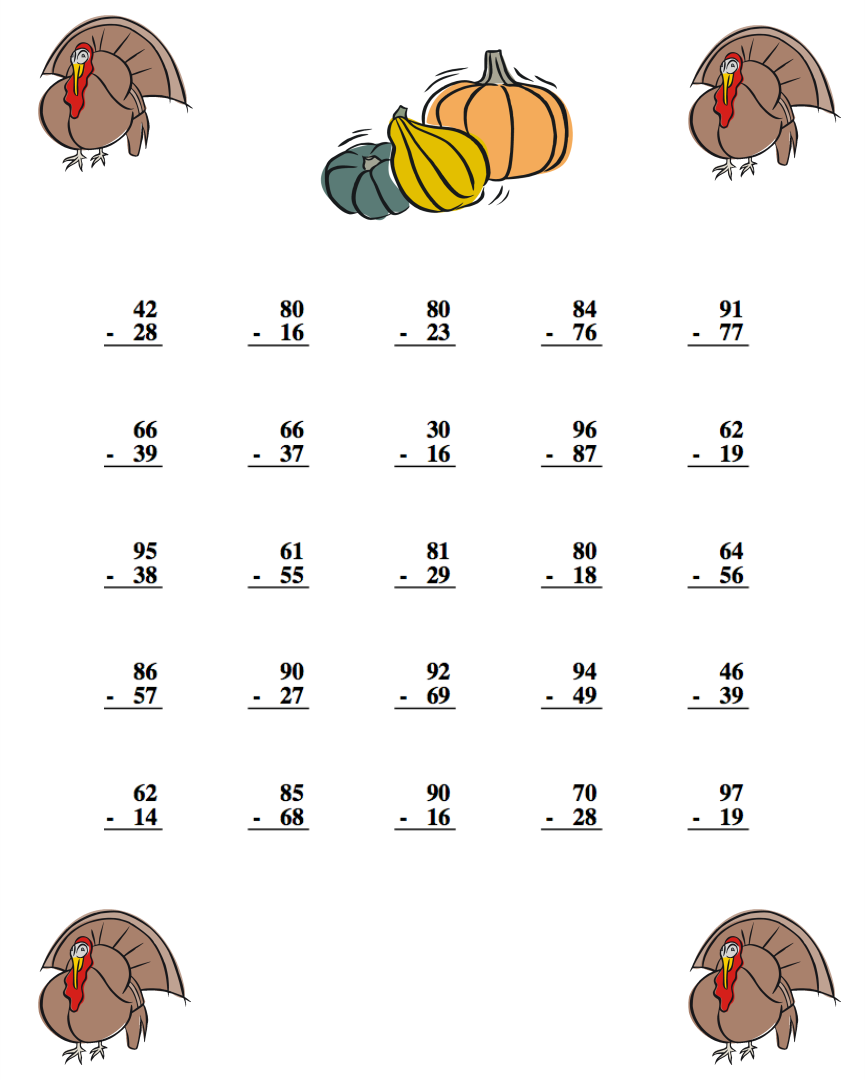
Introduction and Importance of Three-Digit Multiplication Practice
Mastering multi-digit multiplication is a fundamental skill in mathematics, building upon a solid understanding of basic arithmetic and place value. The ability to confidently solve problems involving three-digit numbers is crucial for academic success and practical application in everyday life. Worksheets focusing on this skill provide a structured and repeatable way to practice and internalize the process. For students learning at home, in the classroom, or through self-study, these resources offer targeted exercises designed to gradually increase complexity. This targeted practice helps reinforce concepts and build confidence. Furthermore, developing proficiency in this area sets the stage for more advanced mathematical concepts, such as algebra and calculus, where efficient calculation skills are essential. Practical applications range from calculating costs for household projects to understanding financial concepts, making it a valuable life skill. The consistent practice offered by dedicated worksheets allows for the development of fluency and accuracy, ensuring a strong foundation for future learning.
💡 Educational Key Takeaways:
- Core Skill: Structured Three Digit Multiplication Worksheets focused on developing pencil grip, stroke control, and early literacy/math confidence.
- Target Scope: Suited for homeschoolers, preschool, kindergarten, and elementary learners.
- Best Recommendation: Practice 10–15 minutes daily with ergonomic writing tools to reinforce muscle memory without hand fatigue.
Structure and How It Works
A typical worksheet designed for this multiplication skill features a clear and organized layout, facilitating focused practice. Core Exercises: These worksheets primarily consist of problems requiring multiplication of a three-digit number by another number, typically ranging from one to three digits. The problems are often arranged in a column format, making it easy to align digits correctly. The progression often starts with simpler problems, such as multiplying by a single-digit number, and gradually increases to multiplying two three-digit numbers. Interactive Elements: Some worksheets may include visual aids such as grid paper to assist with alignment, or step-by-step examples demonstrating the multiplication process. Answer keys are typically provided, enabling self-assessment and immediate feedback. More advanced versions might incorporate word problems, applying the multiplication skill to real-world scenarios, enhancing problem-solving abilities. The visual clarity and structured approach minimize distractions, allowing learners to concentrate on mastering the multiplication process. This variety ensures that different learning styles are catered to, promoting a deeper understanding of the underlying principles.
Tips and Complementary Resources
To maximize the effectiveness of these resources, a consistent and focused approach is recommended. Daily Practice Tips: Dedicate a specific time each day for practice. Start with a smaller number of problems and gradually increase the quantity as proficiency improves. Encourage learners to show their work, promoting understanding of each step in the multiplication process. Pairing with Other Resources: Supplement worksheets with online tutorials or videos that explain the multiplication process in different ways. Use manipulatives, such as base-ten blocks, to visualize the concept of multiplication and place value. Integrating these tools can help solidify understanding and prevent rote memorization. Furthermore, encourage learners to create their own problems, fostering a deeper engagement with the material and enhancing critical thinking skills. Consistent reinforcement and varied approaches are vital for mastering this crucial mathematical skill.
Conclusion
Developing proficiency in three-digit multiplication is a significant milestone in a student’s mathematical journey, providing a solid foundation for more advanced concepts and real-world applications. Worksheets designed to practice this skill offer a structured, repeatable, and accessible way to achieve mastery. The targeted practice, clear layout, and readily available feedback contribute to a more effective learning experience. By combining the use of these worksheets with practical tips, supplementary resources, and a consistent practice schedule, learners can build confidence and fluency in this essential area of mathematics. Mastering this skill empowers individuals with the ability to solve complex problems, think critically, and succeed in various academic and practical endeavors. Therefore, utilizing these resources is a valuable investment in one’s mathematical education and overall problem-solving abilities. Related materials such as division worksheets and fraction tutorials can further enhance overall mathematical understanding.
Developmental Milestone & Activity Table
| Development Stage | Recommended Daily Duration | Primary Learning Objective |
|---|---|---|
| Preschool & Pre-K | 10 – 15 Minutes | Pencil grip development & basic pre-stroke lines |
| Kindergarten | 15 – 20 Minutes | Letter/number formation & spatial line awareness |
| Early Elementary (Grade 1–2) | 20 – 30 Minutes | Fluency, sentence construction & neatness |
Images References :
Discover more printable learning activities by visiting our full Fun and Seasonal Math Worksheets archive for teachers, homeschoolers, and parents.