Introduction and Importance of Early Number Recognition
Establishing a strong foundation in mathematics during the kindergarten years is crucial for future academic success. Activities designed to build number sense, particularly in the area of counting, serve as the cornerstone for more complex mathematical concepts introduced in later grades. Early exposure to numerical concepts fosters cognitive development and enhances problem-solving skills. These activities offer a structured and engaging way to introduce children to the world of numbers, making learning a fun and rewarding experience. The ability to confidently count objects, recognize numerical symbols, and understand the relationship between numbers and quantities is a vital skill that empowers young learners to excel in various aspects of life, both inside and outside the classroom. They provide a tangible method for grasping foundational mathematical principles.
💡 Educational Key Takeaways:
- Core Skill: Structured Kindergarten Counting Worksheets focused on developing pencil grip, stroke control, and early literacy/math confidence.
- Target Scope: Suited for homeschoolers, preschool, kindergarten, and elementary learners.
- Best Recommendation: Practice 10–15 minutes daily with ergonomic writing tools to reinforce muscle memory without hand fatigue.
Structure and How It Works
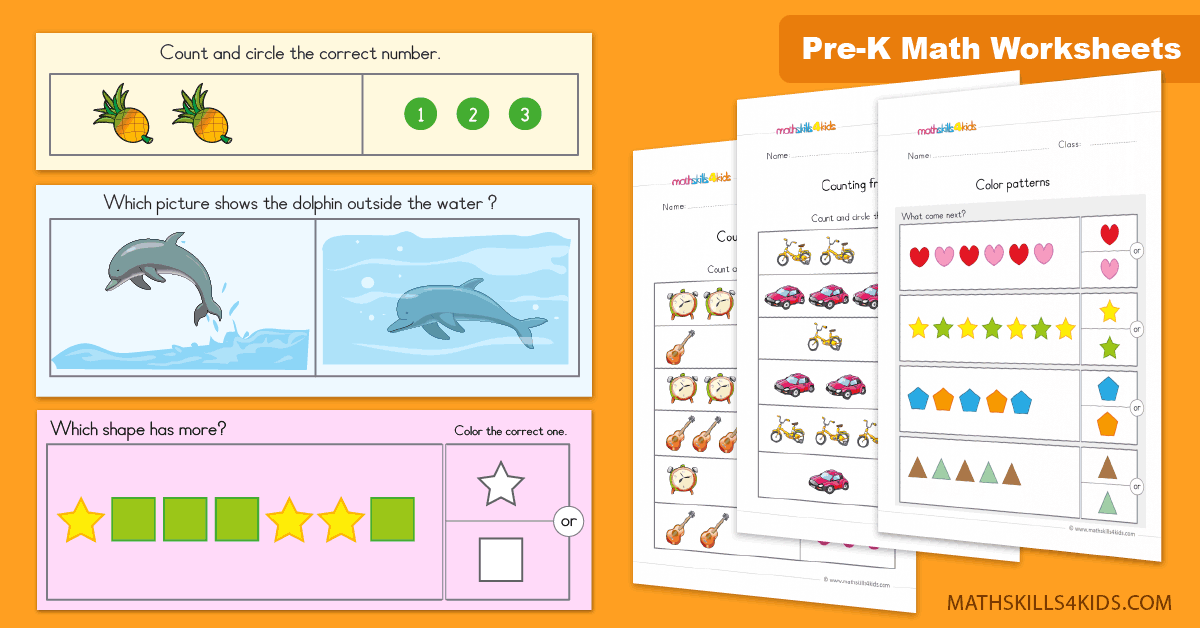
Typically, a sheet designed for early counting proficiency is structured to cater to different learning styles and skill levels. The layout is generally clean and uncluttered to minimize distractions and maximize focus. Core Exercises: These commonly feature sections dedicated to counting objects, matching numerals to quantities, and filling in missing numbers in a sequence. Visual aids, such as colorful illustrations of animals, fruits, or everyday objects, are often incorporated to make the learning experience more engaging. Interactive Elements: Some may include activities like drawing lines to connect matching sets of objects, circling the correct number of items in a group, or even simple addition and subtraction problems using pictures. Instructions are usually clear and concise, written in language suitable for young learners. This approach ensures ease of understanding and promotes independent learning. Related guide: Kindergarten Matching Worksheets.
Tips and Complementary Resources
Effective utilization can significantly enhance a childs learning experience. Daily Practice Tips: Short, regular sessions, perhaps 15-20 minutes each day, are generally more effective than long, infrequent ones. Encourage children to vocalize the numbers as they count to reinforce their understanding of the number sequence. Provide positive reinforcement and praise to motivate children and build their confidence. Pairing with Other Resources: Supplement these activities with hands-on learning tools like counting blocks, beads, or even everyday objects found around the house. Educational apps and online games that focus on counting and number recognition can also be valuable supplementary resources. Reading age-appropriate books that incorporate counting and numerical concepts can further enrich the learning experience and make it more holistic.
Conclusion
The benefits of engaging children with materials that promote counting skills are numerous and far-reaching. These tools not only help children develop a solid understanding of numbers and quantities but also foster critical thinking, problem-solving, and fine motor skills. By providing a structured and engaging learning environment, they empower young learners to approach mathematics with confidence and enthusiasm. Embracing the opportunity to introduce children to the world of numbers through accessible and thoughtfully designed activities is an investment in their future academic success. Explore readily available resources, such as number flashcards, educational videos, and interactive games, to further enhance the learning experience and cultivate a lifelong love of learning.
Developmental Milestone & Activity Table
| Development Stage | Recommended Daily Duration | Primary Learning Objective |
|---|---|---|
| Preschool & Pre-K | 10 – 15 Minutes | Pencil grip development & basic pre-stroke lines |
| Kindergarten | 15 – 20 Minutes | Letter/number formation & spatial line awareness |
| Early Elementary (Grade 1–2) | 20 – 30 Minutes | Fluency, sentence construction & neatness |
Images References :
Discover more printable learning activities by visiting our full Pre K Activity Worksheets archive for teachers, homeschoolers, and parents.